
Thinking of Moving to the Philippines? What Expats Need to Know in 2025
A First Glimpse
Picture yourself stepping off a plane into air perfumed with frangipani, greeted in flawless English by the immigration officer, and seeing a grin that feels genuinely welcoming. That first contact tells you a lot about why the Philippines keeps popping up on expat short-lists in 2025: communication is easy, smiles are plentiful, and daily costs remain pleasantly low by U.S. standards. When Manila’s sleek business district sits a two-hour flight from rice-terraced mountains, coral-blue surf islands, and World War II wreck-diving sites—and when the government has just approved a Digital Nomad Visa that allows a full year of hassle-free residence—the archipelago becomes more than a postcard. It becomes a plausible long-term base.
Visas and Residency—Your Legal Foundation
For decades most foreigners treated the Philippines as an endless series of tourist-visa extensions. You still can: an American arrives visa-free for thirty days, then plays a friendly game of hopscotch with Bureau of Immigration stamps every one or two months, paying roughly eighty dollars per renewal. Do that long enough and you’ll invest real time standing in line, yet many beach-hopping retirees still prefer the simplicity.
The bigger news is Executive Order 86, signed April 24 2025. It created a Digital Nomad Visa aimed squarely at remote earners. Show proof of at least $2,200 in steady monthly income, purchase local health insurance, and you gain a twelve-month stay that can be renewed once without border runs. The launch date is projected for mid-year—fast in Philippine bureaucratic terms—and early adopters will probably endure an occasional paperwork hiccup. Even so, the DNV closes a gap that pushed many location-independent workers to Thailand or Malaysia in the past.
Mature expats have another path: the Special Resident Retiree’s Visa. Deposit $10,000 (if you’re a former Filipino) or $20,000 (everyone else) in a Philippine bank, keep at least fifty years under your belt, and the PRA hands you indefinite multiple-entry residence with one eye-rolling but survivable annual fee. Rumors on the ground suggest that deposit requirements will rise after September 2025, so sooner really is better if the SRRV suits you.
Marriage to a Filipino citizen, or reclaiming the citizenship you once held, remains the simplest doorway into permanent status, though it demands the obvious life commitment. Whichever option you choose, remember that a paper trail—police clearances, birth certificates, apostilled bank statements—matters as much as money.
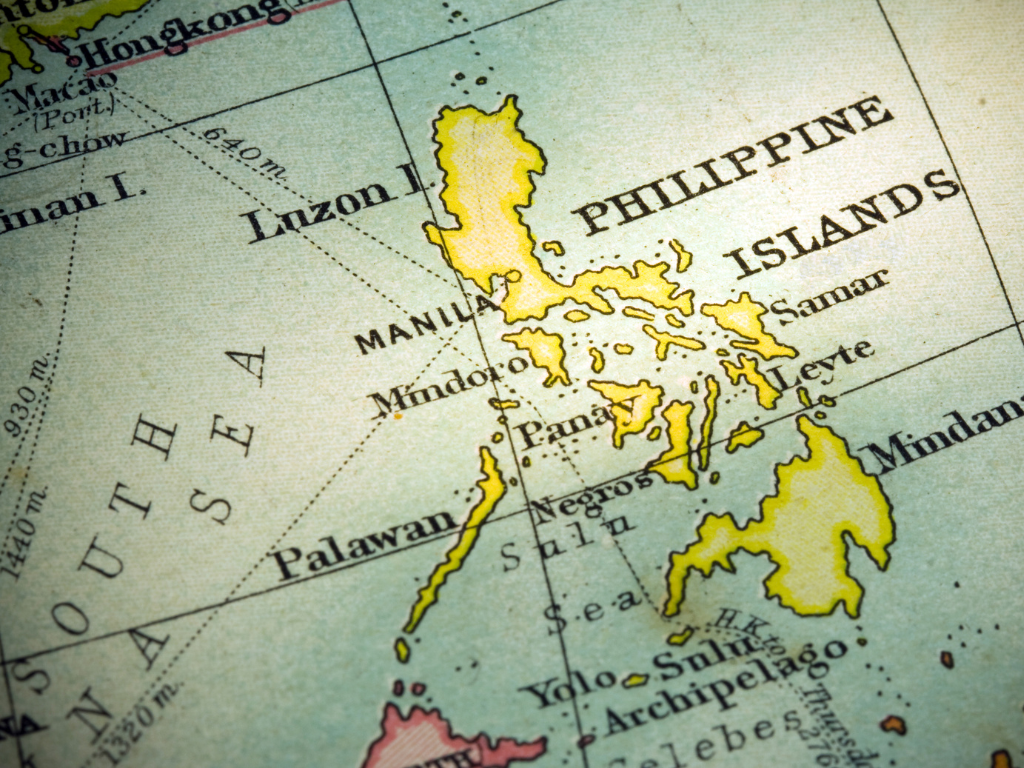
The Real Cost of Living in Dollars
Because peso figures don’t help you visualize your own bank balance, everything below is pegged to U.S. currency at ₱55 ≈ $1.00.
- Manila (Bonifacio Global City or Makati): One-bedroom condos with decent square footage, backup generators, and a doorman start around $800 a month and climb quickly with skyline views. Groceries for a single person who mixes local produce with the occasional imported cheese cost roughly $250; electricity, internet, and mobile data add another $120 if you run air-conditioning judiciously. A comfortable lifestyle that includes twice-weekly restaurant meals, gym membership, and short-haul flights lands near $1,600 a month.
- Cebu City: Many expats describe Cebu as Manila’s little sister—big enough for specialty hospitals and direct international flights, small enough to cross by taxi in thirty minutes. Rent in a modern mid-rise begins around $450. Couples who cook at home, ride Grab, and save nights out for weekends report monthly totals hovering just under $1,100.
- Dumaguete, Iloilo, or Cagayan de Oro: In these provincial capitals a good-quality apartment rents for $275 to $350. Utilities run lower because ocean breezes cool nighttime temperatures. A single, moderately social expat can hold expenses near $900 without feeling deprived.
- Siargao and other surf islands: Paradoxically, paradise can cost more. Diesel-generated electricity and Starlink internet push monthly expenses closer to $1,200 even when the bamboo hut feels rustic. Budget surfers accept three-minute cold showers to keep costs in check; remote workers accustomed to Zoom do not.
Inflation in 2024 averaged 3.7 percent and is projected to stay under 4 in 2025, but imported goods can spike overnight when shipping bottlenecks hit. Locals shrug; you’ll learn to do the same and substitute fresh calamansi for California lemons.
Housing Rules You Never Want to Discover the Hard Way
Foreigners cannot own land outright, a fact often buried in glossy real-estate brochures. You may hold condominium title provided at least sixty percent of the building is Filipino-owned, which most reputable developers manage via complex share structures. Want that beachfront lot? You will lease it for up to fifty years, or place it in your Filipino spouse’s name, accepting that family courts—not you—ultimately control the soil.
Renting, therefore, is the stress-free path. Typical leases are twelve months with two months’ deposit. Demand a copy of the landlord’s Transfer Certificate of Title before handing over cash, and pay by bank transfer when possible to create an electronic trail. Word travels fast in expat Facebook groups about owners who double-rent units; heed the warnings.
Health Care—Surprisingly Good, Unevenly Distributed
Step into Makati Medical Center and you’ll find board-certified cardiologists who trained at the Cleveland Clinic, bilingual nurses, and private rooms comparable to a mid-tier U.S. hotel, all for perhaps $180 a night. Cebu’s Chong Hua Hospital and Davao Doctors mirror that standard. Outside major metros the picture changes: provincial hospitals can feel two decades behind in equipment and sometimes require family to supply basic items such as gloves or bedding. The solution is distance—not luck. Many rural expats keep an emergency fund for medevac flights to Manila, or even to Singapore for highly specialized care.
PhilHealth, the national insurance program, now costs foreign residents roughly $310 per year and covers a portion of inpatient bills. It does not replace comprehensive international insurance, which for a healthy 53-year-old male runs near $4,500 annually with a $1,000 deductible. Carry both: PhilHealth keeps local hospitals cooperative, while global cover guards against a $150,000 stroke evacuation.
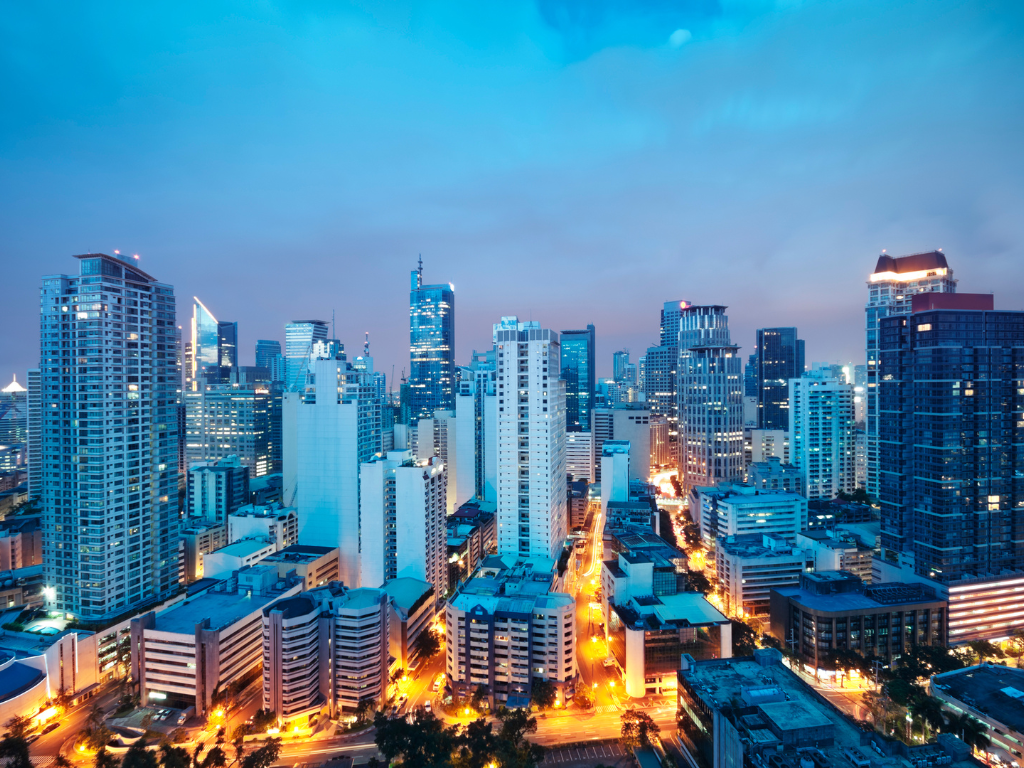
Earning, Banking, and Taxes
The Philippines taxes you based on residency, not passport. Spend fewer than 183 days in a calendar year and income earned abroad stays beyond the Bureau of Internal Revenue’s reach. Cross that day-count—easily done if you like the weather—and you become a resident alien subject to tax on worldwide income. Digital nomads whose clients wire money into Wise or PayPal usually remain unnoticed, but audit risks exist. A licensed CPA will file your return for about $180; it is money well spent.
Opening a local account requires an Alien Certificate of Registration identity card, which costs roughly $90 and arrives a month after you first extend your tourist visa beyond fifty-nine days. Bank of the Philippine Islands and Banco de Oro both accept foreigners, yet staff interpretation of rules varies branch to branch. Arrive early, dress neatly, and bring a utility bill with your Philippine address; those small gestures save second trips.
Remittances from overseas arrive fastest through Wise at fees under one percent and linger in limbo longest through legacy wires. Philippine digital wallets such as GCash work for day-to-day bills, but balance caps trigger if you fail to complete full-KYC verification—a process that sometimes rejects foreign passports on the first attempt.
Internet and Remote-Work Infrastructure
Metro Manila’s fiber-to-home packages now advertise download speeds of 200 Mbps for $50 monthly, and real-world tests often deliver 150. Cebu is similar. The government’s Free Wi-Fi for All initiative has added access points in provincial plazas, yet bandwidth evaporates at dusk when teenagers unleash TikTok. Coworking spaces in Cebu IT Park or Makati average $10 a day, coffee included.
Island life demands backup plans. Surfers in Siargao praise Starlink’s $73 flat fee when the power grid fails; they curse the price when sunny weeks pass without an outage. Mobile 5G coverage already blankets most urban corridors, though penetration in mountain towns remains sparse. If your livelihood depends on latency, rent within sight of a PLDT or Globe fiber cabinet and keep a prepaid SIM for fail-over.
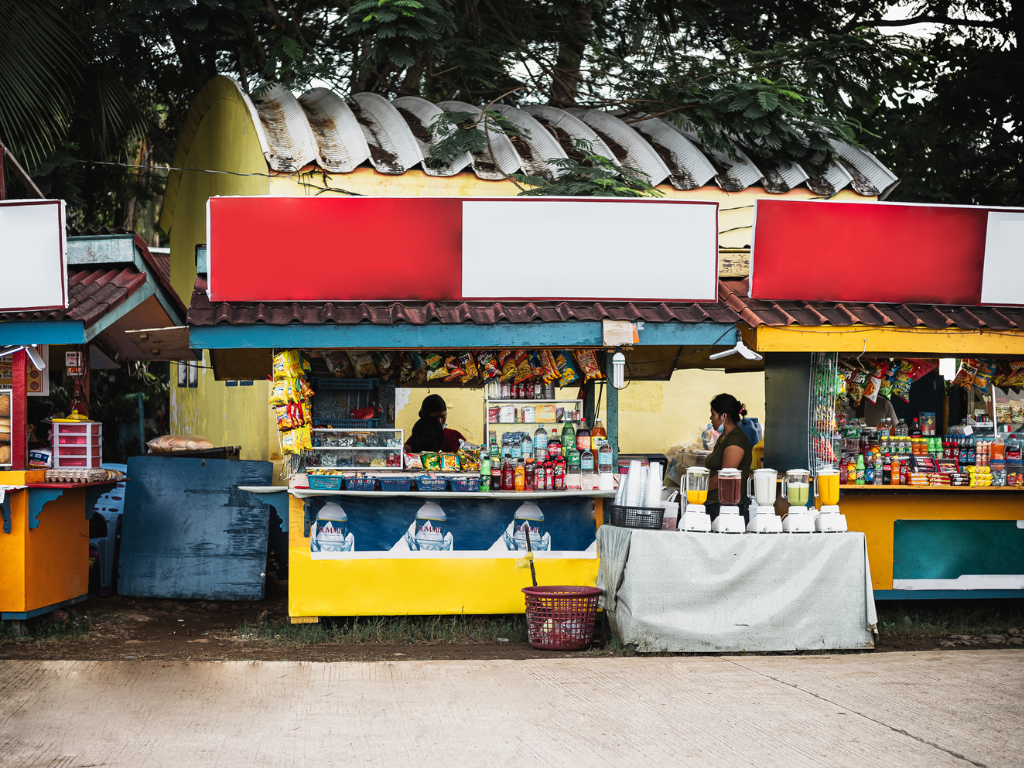
Culture and Everyday Etiquette
Filipino culture drinks from many wells: Malay, Spanish, Chinese, American. That blend leaves English road signs next to jeepneys blaring Tagalog pop, and a Catholic fiesta schedule that seems to overlap every week. Smiles smooth misunderstandings, but acquiescence does not always equal agreement; “yes, sir” can simply mean “I heard you.” Patience—often called Philippine time—wins more cooperation than volume ever will.
You will start conversations in English, hear replies slide into Taglish (a musical code-switch), and revert to English again when the speaker notices confusion. Learn a handful of local words (“salamat” for thanks, “kuya” for addressing an older man respectfully). Grocery clerks and immigration officers will beam, and bureaucratic tasks become fractionally easier.
Staying Safe in a Land of Typhoons and Karaoke
Crime against foreigners is largely opportunistic: bag snatching near transport hubs, pickpockets in crowded night markets. Grab’s ride-hailing app eliminates taxi-meter arguments, and condominium guards deter most break-ins. The bigger threats fall from the sky or rumble beneath your feet.
Roughly twenty named storms enter Philippine territory each year, with July through October delivering the heavyweight bouts. Choose apartments on upper floors—but not the top—of buildings constructed after 2010’s stricter codes, buy a surge protector, and treat flash-flood news seriously. Earthquakes strike without warning; practice the local “duck-cover-hold” drill and know your building’s muster point.
Mindanao’s western provinces and the Sulu archipelago still earn Level 3 or 4 travel advisories from the U.S. State Department because of insurgent activity. Outside those pockets the country rates Level 2, the same as France. Common sense—lit streets, secure ATMs, respectful nightlife behavior—keeps most expats incident-free.
Where to Live—Matching Lifestyle to Location
Metro Manila dazzles with speakeasy bars hidden behind barber shops and skyscraper gyms that overlook Manila Bay. The price is traffic that can turn a six-mile drive into an hour’s crawl, plus particulate pollution on windless days. Professionals chasing regional headquarters accept the trade-off.
Cebu City offers a lighter, gentler urbanity: dive reefs thirty minutes away, new expressways to its international airport, and a cost profile one-third lower than Manila’s. Remote workers who fly to Singapore for quarterly meetings often choose Cebu as a middle ground.
Dumaguete charms retirees with universities that create bookish cafés and energetic cultural festivals. Healthcare is good, internet adequate, dust minimal. If you crave thinner air, Baguio’s pine-scented mountains deliver sweater weather a hundred miles north of Manila alongside literary salons and third-wave coffee.
Siargao remains the poster-child for digital nomad Instagram feeds. Picture coconut palms leaning over teal water and fiber lines strung across dirt roads. Weekdays feel like summer camp; Saturdays roar with motorbikes. But the social scene is small, and energy costs soar. Residents jokingly rank their priorities: surf, Wi-Fi, then food—sometimes found in that order.
First Steps Toward Your Philippine Chapter
Decide your visa strategy early. If you qualify for the Digital Nomad Visa and plan to stay a full year, gather notarized bank statements now; Philippine consulates already hint at appointment backlogs. Build a dollar-denominated budget of at least $1,200 a month if you favor second-tier cities or $1,600 for Manila. Set aside $5,000 as a relocation cushion: first and last month’s rent, appliance purchases, visa fees, and the inevitable surprise airfare home.
Before wheels-up day, arrange international medical insurance and print duplicate copies of every document you will ever show an official. Store them in both cloud and zip-lock bag. Purchase a dual-SIM unlocked phone; you will swap carriers according to signal strength faster than you learn local slang. Finally, lighten your expectations about punctuality and adopt the national superpower: resilience delivered with a smile.
Move with that mindset, and the Philippines stops being a dream video loop of white sand and becomes what it can uniquely be in 2025: a welcoming, English-speaking country where dollars still stretch, the bureaucracy is improving, and island options let you reinvent “home” whenever wanderlust stirs.


