Living in Bangkok for Digital Nomads, Expats and Slow‑Travelers – A Three‑Month Guide
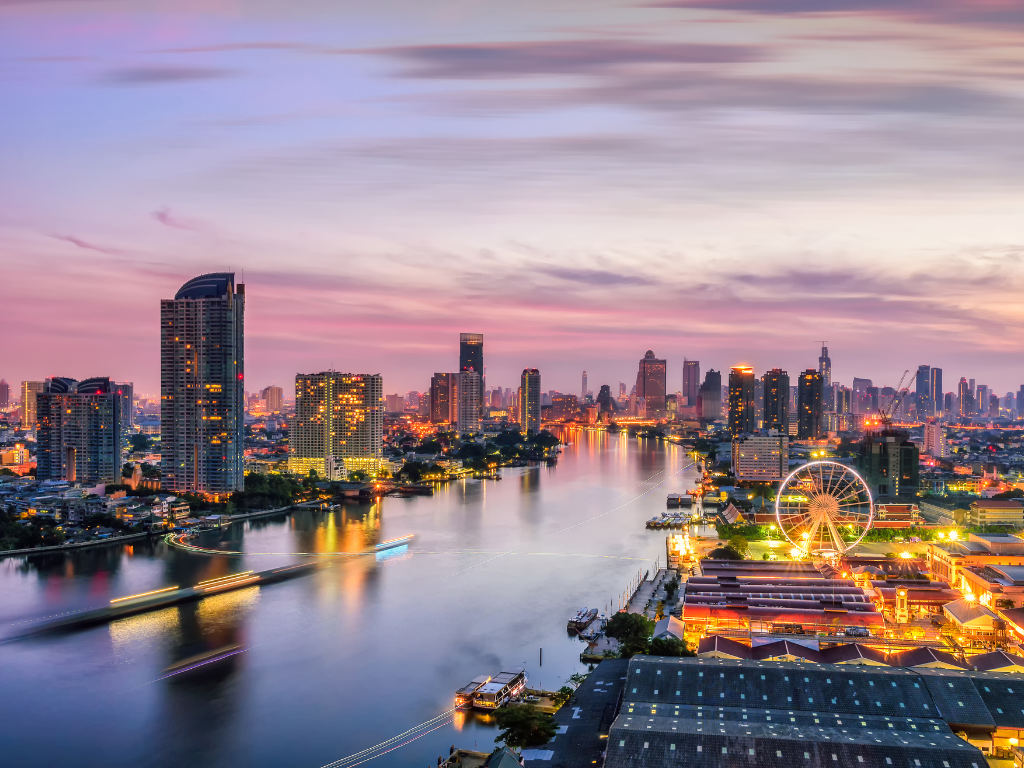
Bangkok is an urban giant of more than nine million people that packs glittering temples, floating markets and a booming start‑up scene into 600 square miles. The Thai capital has long attracted backpackers on whirlwind trips, but its low cost of living, fast internet and bustling food scene mean it has also become one of the world’s digital‑nomad capitals. For remote workers, expats and slow travellers planning a stay of around three months, Bangkok can offer incredible value and cultural immersion – if you know when to go, how to manage visas and which neighbourhoods suit your lifestyle.
Best time to visit and climate
Bangkok’s tropical monsoon climate means there are only small variations in temperature. Temperatures usually range between 71 °F and 95 °F (22 °C – 35 °C) year‑round. The city has two distinct seasons:
Dry season (November – February) – Humidity is lower and daytime highs are “only” around 89 °F. Locals and experienced nomads recommend this as the most comfortable period, especially for those sensitive to heat. November to February are the best months because the weather stays relatively dry and cooler.
Wet/burning season (March – October) – Humidity and heat build from March onwards; April averages 95 °F and heavy afternoon downpours occur. From February and March, pollution levels spike due to agricultural burning and atmospheric inversions. Air quality can be poor. If you plan to spend part of your three‑month stay during this period, invest in a good air purifier for your apartment and plan indoor work and travel during peak heat.
Visas and legal considerations
Tourist visa
Most western travellers receive a visa exemption on arrival (30 days for U.S. citizens), but digital nomads staying three months will need a longer solution. The Tourist Visa allows a stay up to 60 days and can be extended once for 30 days at an immigration office, giving roughly three months. As of mid‑2025, travellers must also complete the Digital Arrival Card online within three days of arrival.
Destination Thailand Visa (digital nomad visa)
In July 2024 Thailand launched the Destination Thailand Visa (DTV) for digital nomads and “workcation” visitors. The DTV allows stays of up to 180 days per entry and is valid for five years. It is a multiple‑entry visa, extendable once per stay, and applicants must:
- Be at least 20 years old.
- Provide proof of financial assets of at least 500,000 THB (~US$15,000).
- Show proof of remote employment or freelance work for a foreign employer.
- Pay a visa fee (about 10,000 THB).
The DTV lets you include dependents and even participate in cultural activities like Muay Thai or cooking courses. However, it does not allow you to work for Thai clients or obtain a work permit. If you plan to stay three months or longer and satisfy the financial requirement, the DTV provides extra flexibility without needing visa runs.
Visa on arrival and extensions
If you don’t qualify for a long‑term visa, you can enter visa‑free, then apply for a tourist visa and extension to cover ~90 days. Many nomads also do border runs to Cambodia or Malaysia every 60 days to reset their stay; but laws can change quickly, so always check the Thai Immigration Bureau for updates.
Choosing a neighbourhood
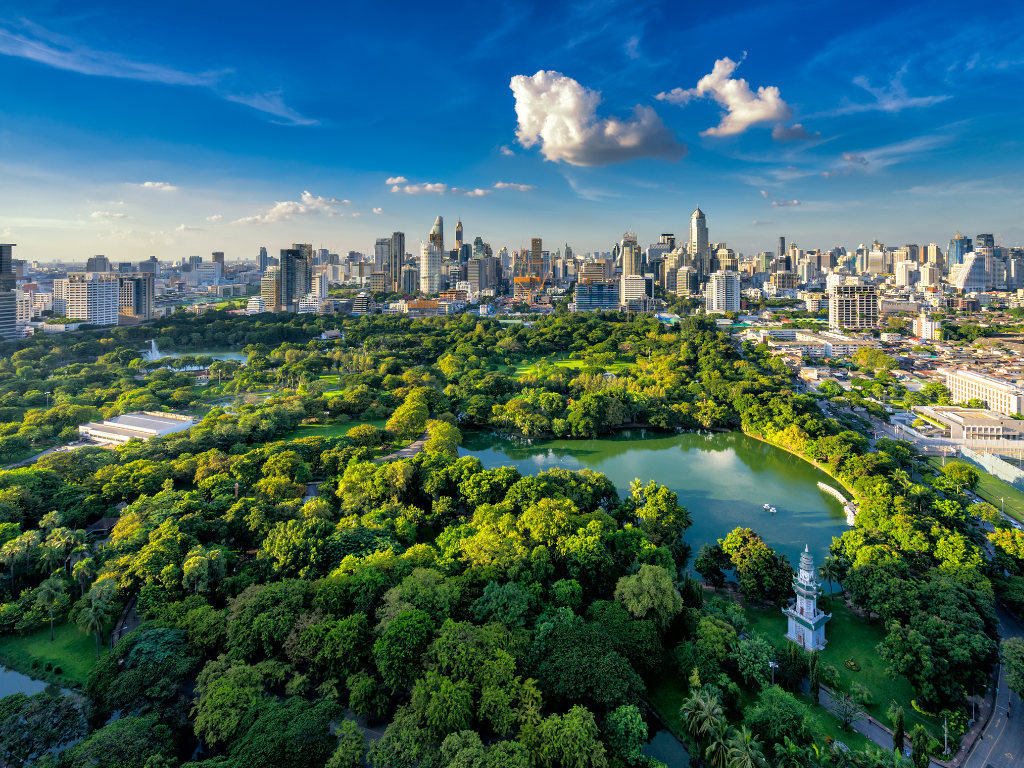
Bangkok sprawls across the Chao Phraya River with hundreds of micro‑districts. Where you choose to base yourself dramatically affects your experience. Fast internet (often 100 Mbps or higher) and coworking spaces are available in most central areas, but prices and vibes vary.
| Neighbourhood | Avg. Monthly Rent (US$) | Wi-Fi Speed | Ideal for | Top Features |
|---|---|---|---|---|
| Ari (BTS Ari) | $800 – $1,200 | 100+ Mbps | Trend‑seekers | Hip cafés, coworking spaces, local street food |
| Wongwian Yai | $600 – $900 | ≈80 Mbps | Culture lovers | Riverside living, authentic markets, fewer tourists |
| On Nut | $500 – $800 | ≈70 Mbps | Budget nomads | Cheap eats, BTS access, local vibe |
| Thonburi | $700 – $1,000 | ≈90 Mbps | Peace seekers | Floating markets, historic temples, relaxed pace |
| Phra Khanong | $900 – $1,300 | 100+ Mbps | Social butterflies | Expat community, rooftop cafés, networking spots |
| Asok / Phrom Phong | $1,000 – $1,500 | 100+ Mbps | Central convenience | BTS/MRT access, malls, nightlife |
| Thonglor / Ekkamai | $1,200 – $2,000 | 100+ Mbps | Upscale living | Stylish cafés, rooftop bars, high‑end dining |
| Silom / Sala Daeng | $800 – $1,200 | 80–100 Mbps | Park lovers | Close to Lumpini Park, business and nightlife mix |
*Rental ranges are approximate using 2025 exchange rates (≈33 THB = US$1). Costs vary by location, size, lease length, and amenities.
Housing and apartment prices
Studio apartments for ≤10,000 THB (~US$303) are common outside the center. For 10,000–20,000 THB ($303–$606), expect better amenities or condos. Between 20,000–30,000 THB ($606–$909), you’ll find one-bedroom condos in upscale areas or large units further out. 30,000–50,000 THB ($909–$1,515) provides high-rise condos in prime locations.
Expect to pay a two-month deposit plus one month’s rent. A 6- or 12-month lease is cheaper, but short-termers often prefer serviced apartments or co-living. Airbnbs cost $1,500–$2,400/month but negotiating directly may cut 20–30%.
Utilities and internet
Utilities cost about 2,987 THB/month (~$90). High-speed fiber internet is 562 THB/month ($17). A 10GB+ mobile plan is about 398 THB/month ($12). eSIMs at the airport cost around $15–20 for 30 days.
Cost of living – monthly budget breakdown
| Expense | THB/month | USD/month | Notes |
|---|---|---|---|
| Rent | 15,000–30,000 | $455–$910 | Studios outside the center start around $242 |
| Coworking hot desk | 4,000–6,000 | $121–$182 | Hot desk memberships at The Hive and others |
| Utilities & Internet | 3,500–4,500 | $106–$136 | Electricity, water, internet |
| Mobile plan | 250–700 | $8–$21 | Includes 10GB+ data |
| Food (eating out) | 9,000–12,000 | $273–$364 | Street food + occasional mid‑range dining |
| Groceries | 3,000–4,500 | $91–$136 | Local markets cheaper than supermarkets |
| Transportation | 2,000–3,000 | $61–$91 | BTS, taxis, Grab |
| Health & fitness | 1,500–2,500 | $45–$76 | Gym, yoga, Muay Thai classes |
| Entertainment & leisure | 2,000–3,500 | $61–$106 | Cinema, cafés, massages |
| Miscellaneous | 2,000–4,000 | $61–$121 | Insurance, visas, toiletries |
Total Estimated Budget: $1,280–$2,127/month
A three-month stay could range from $3,800 to $6,400, excluding flights. Living outside the center and cooking can reduce costs significantly.
Getting around Bangkok
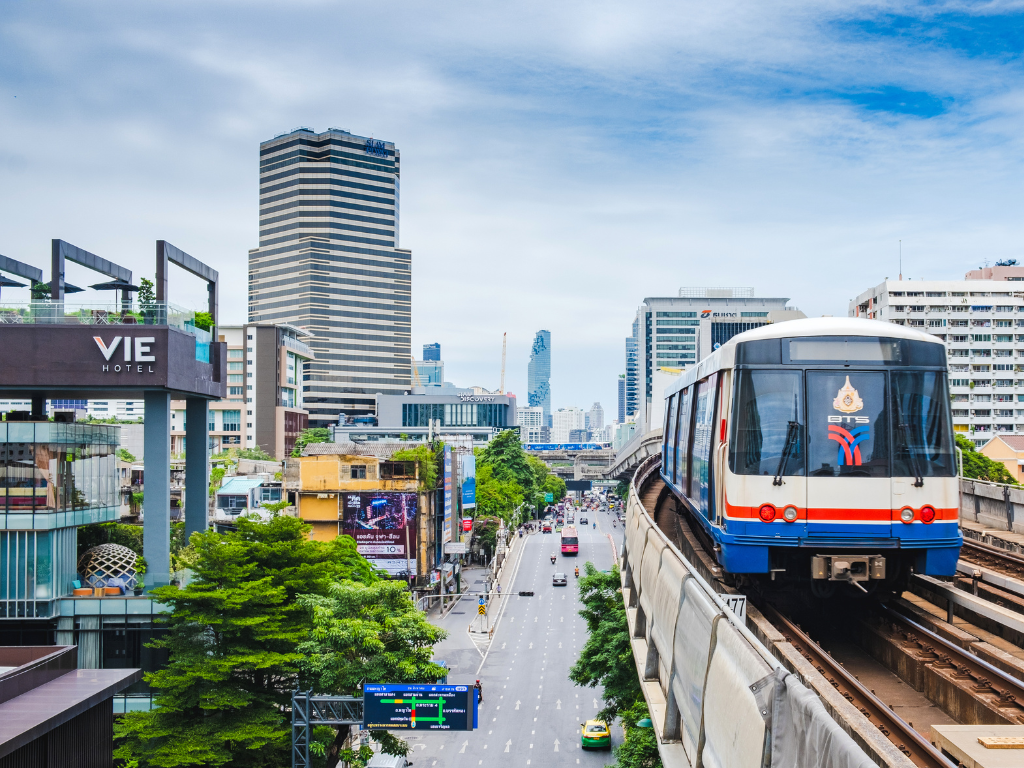
BTS Skytrain: Single rides 16–59 THB; day pass ~140 THB. Get a Rabbit Card for convenience.
MRT subway: Fares 17–70 THB. Visa cards and tokens accepted, Rabbit Cards not valid.
Other transport: River ferries, tuk-tuk apps, motorbike taxis, Grab/Bolt. A 10–20 minute ride costs around $5.
Scooter rental: ~2,500–3,000 THB/month. Must have a valid license and wear a helmet.
Internet, SIM cards and coworking spaces
Fiber internet and 5G coverage are standard. AIS and TrueMove offer eSIMs with 30-day unlimited data (~$15).
Coworking options:
- The Hive – Rooftop lounge, hot desks from 4,000 THB.
- True Digital Park – Tech campus with free open seating.
- The Urban Office – Quiet, modern space in Asok.
- Hubba – Community-focused, hosts workshops and hackathons.
Many cafés have fast Wi-Fi and welcome remote work.
Food culture and daily expenses
Eating out: Street food (50–80 THB), western meals (200–500 THB), drinks ~$2–$3. Tap water is not safe; bottled water costs ~15–30 THB.
Groceries: Local markets are cheapest. Imported items like cheese are pricey.
Healthcare and insurance
Top-tier hospitals like Bumrungrad offer check-ups for ~$100. Local clinics are ~60% cheaper. Travel insurance like SafetyWing costs ~$40/month. Pharmacies are widely available.
Community and networking
Large expat and nomad communities use platforms like Meetup and Facebook to organize events and build connections.
Cultural etiquette and safety
- Respect the monarchy.
- Dress modestly in temples.
- Use the wai greeting.
- Keep calm in conflict.
- Beware of scams, especially with tuk-tuks.
Bangkok is safe, but watch belongings in crowds. Air quality can be poor during burning season.
Things to do and weekend escapes
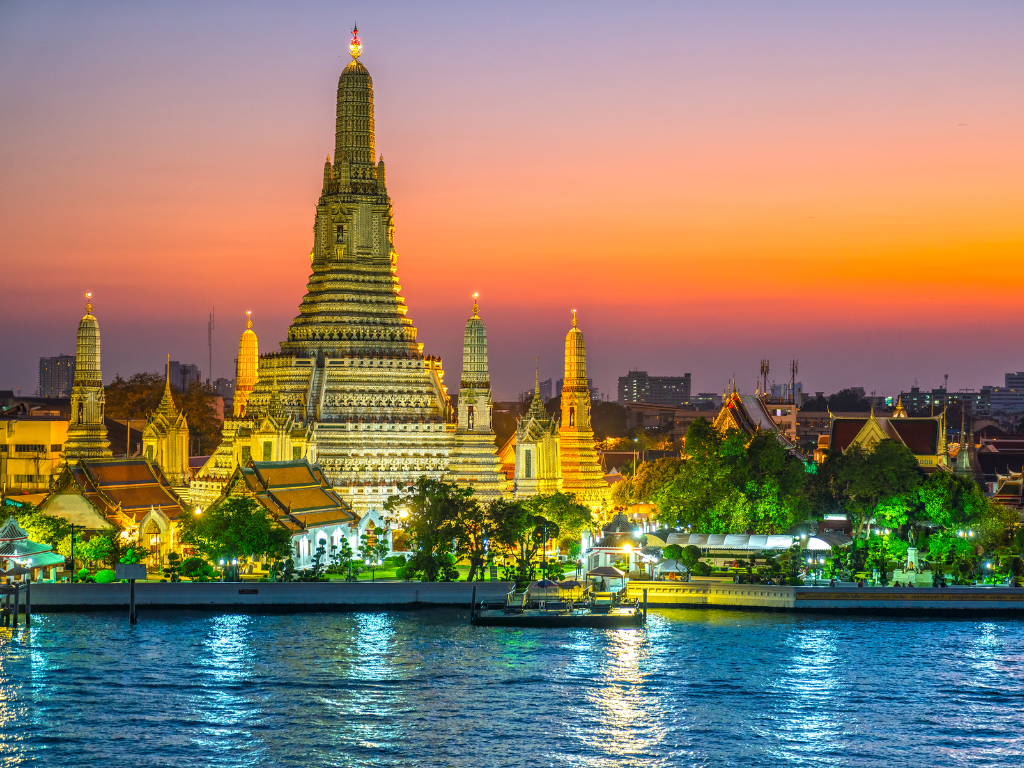
- Temples: Grand Palace, Wat Pho, Wat Arun.
- Markets: Chatuchak, Wang Lang, Wongwian Yai.
- Parks: Lumpini, Benjakitti.
- Activities: Muay Thai, cooking classes, rooftop bars.
- Day trips: Ayutthaya, floating markets, Khao Yai National Park.
Pros and cons of Bangkok for digital nomads
Pros:
- Affordable ($1,500–$2,000/month)
- Great infrastructure
- Large nomad community
- Diverse food/culture
- Travel hub
Cons:
- Heat, pollution
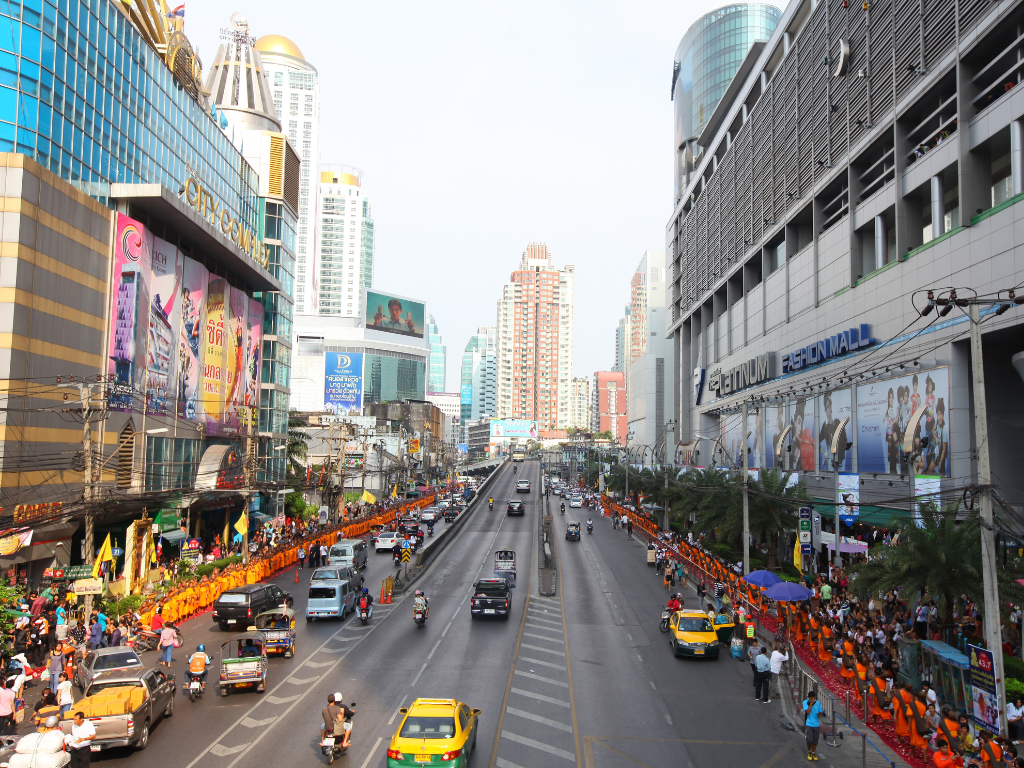
- Traffic, noise
- Tourist scams
- Short-term rental laws
Forward‑looking considerations
Thailand is evolving its nomad policies. The DTV is a big step, and reduced BTS fares (~20 THB per trip) are expected. The country is also expanding 5G/6G infrastructure, making it even more nomad‑friendly.
Final verdict
Bangkok blends low cost, high energy, and convenience. Pick a neighbourhood that fits your lifestyle, budget ~$1,500–$2,000/month, and dive into coworking, culture, and cuisine. With progressive visa options and robust infrastructure, it remains a top digital nomad hub in Asia.


